
Step 1
Hosting Provider Evaluation
Assess provider security features & reliability to find a trustworthy partner.

Are you aware that the digital landscape is filled with potential threats that could impact your online presence? Understanding web hosting security is crucial in safeguarding your website and building trust with your audience.
A roadmap to fortifying your website's online presence against potential threats.
Assess provider security features & reliability to find a trustworthy partner.
Encrypt data in transit with SSL to secure user information and build trust.
Deploy robust defenses to block malicious traffic and ensure website availability.
Automate data backups and routine scans to recover from incidents and detect threats.
Strengthen access controls with 2FA and use secure protocols for file transfers.
Implement ongoing monitoring for suspicious activities and potential vulnerabilities.
When you're building your online presence, web hosting security may not be the first thing on your mind, but it should be! Security is crucial for protecting your site from threats and ensuring your visitors can trust you. Without it, your website could become vulnerable to attacks, leading to data breaches, loss of customer trust, and even financial loss. Let's dive into the essentials of web hosting security and why it matters so much for your site.
At All for Domains, we understand that the digital landscape can be daunting, especially when it comes to securing your online assets. That’s why we aim to simplify these concepts for you! Web hosting security is not just about preventing unauthorized access; it's about creating a secure environment where your website can thrive.
Web hosting security refers to the measures and protocols put in place to protect your website and its data. These can include everything from firewalls to SSL certificates. Understanding these elements is vital for every online entrepreneur, as they shield your site from a myriad of potential threats.
By focusing on web hosting security, you're taking proactive steps to ensure the longevity and success of your online venture. Remember, a secure site is a successful site!
As more businesses move online, the threat landscape has evolved significantly. Understanding these risks helps you prepare and defend against potential attacks. Some of the common threats you should be aware of include:
Staying informed about these risks will help you make better decisions when it comes to your web hosting security choices. Knowledge is power, and at All for Domains, we aim to empower you!
A vulnerability assessment is a crucial step in securing your website. This process helps identify weak points in your web hosting setup that could be exploited by cybercriminals. Regular assessments can save you from future headaches! Here are some key areas to focus on during your assessment:
Incorporating routine vulnerability assessments into your security strategy will help you stay ahead of potential threats. The National Institute of Standards and Technology (NIST) provides comprehensive guidance on security considerations for web servers, which can further strengthen your understanding. Let’s make your website a fortress against cyberattacks!
To further enhance your web hosting security, consider implementing a web application firewall (WAF). A WAF acts as a protective barrier between your website and incoming traffic, filtering out malicious requests before they reach your server. This proactive measure can significantly reduce the risk of attacks such as SQL injection and cross-site scripting, ensuring that your online presence remains secure and trustworthy.
As we wrap up our discussion on web hosting security, it's crucial to reflect on the actionable steps you can take to fortify your website. A comprehensive approach is necessary to keep your online presence safe from threats. Think of this as your security roadmap—one that guides you through the essential practices that will help safeguard your site.
Here’s a quick summary of the vital steps to include in your security checklist:

By following these steps, you’ll be well on your way to enhancing the security posture of your site. Remember, security is not a one-time task; it’s an ongoing commitment!
Now that you have a solid grasp of the essential security steps, it’s time to create your action plan. Start by assessing your current hosting security measures. This might involve reaching out to your hosting provider to inquire about their available security features or conducting a thorough review of your existing setup. For more detailed guidance on securing web applications, the Cybersecurity and Infrastructure Security Agency (CISA) offers valuable web security best practices.
To help kickstart your plan, here are some specific actions to consider:
Documenting your progress will not only keep you accountable but also serve as a helpful reference as your site evolves. This proactive approach is a key aspect of maintaining a secure online presence.
Staying informed about the latest security trends and best practices is essential in today’s rapidly changing digital landscape. At All for Domains, we prioritize empowering our readers with up-to-date information. Here are some valuable resources you can leverage:
These resources will help you gain insights into the evolving security landscape and equip you with the knowledge to better protect your website. For general cybersecurity tips, the US-CERT provides excellent resources, including guidance for securing your online presence. Remember, knowledge is power!
To make your security journey even easier, we offer a handy security checklist at All for Domains! This free download is designed to help you implement the best practices we’ve discussed. You can easily follow along as you ensure your website adheres to top security standards.
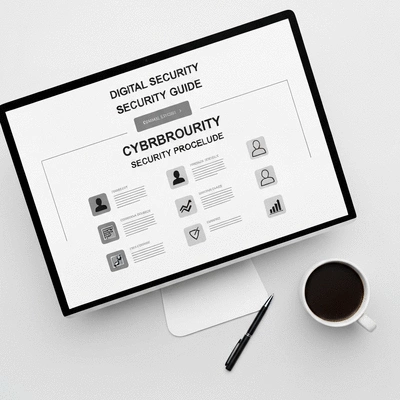
Here are some features of our checklist that you might find useful:
Download your free checklist today and start securing your online presence with confidence!
Understanding security breaches through case studies can provide valuable lessons. By analyzing the mistakes of others, you can avoid common pitfalls that lead to compromised sites. Here are a few notable cases that highlight the importance of web hosting security:
These examples underscore the necessity of maintaining good security hygiene. Learn from these incidents and adapt your strategies accordingly!
In conclusion, web hosting security should never be taken lightly. As a digital entrepreneur myself, I can attest to the importance of staying vigilant against potential threats. Regularly reassessing your security measures is critical to ensure that you’re prepared for whatever challenges may arise.
It’s all about creating a culture of cybersecurity awareness—both for you and your users. A secure site not only protects your data but also builds trust with your audience.
Are you ready to take action? Now is the perfect time to assess your current hosting security measures. Dive into your security checklist, evaluate your provider, and implement the essential practices we’ve discussed. If you have any questions or need assistance, feel free to reach out—I'm here to help!
Finally, let’s talk about the importance of fostering a culture of cyber awareness. Encourage your team or family members to stay informed about security best practices. Share resources, hold discussions about potential threats, and remain proactive in your approach to web security. By building this culture, you’ll contribute to a safer online environment for everyone involved!
Here is a quick recap of the important points discussed in the article:
Domain Management Tools You Need

Every successful online venture starts with strong domain management. Are you ready to master the fu
Understanding Web Hosting Hidden Costs

Have you ever signed up for a service only to find out that the cost skyrockets after the first year
Understanding Uptime Guarantees in Hosting

What if a mere percentage could determine the success of your online presence? Understanding uptime

Domain Management Tools You Need
Understanding Web Hosting Hidden Costs
Understanding Uptime Guarantees in Hosting
Understanding Domain Names and SEO
Competitor SEO Analysis Made Simple