
Free Hosting: Initial Appeal & Hidden Limitations
- ×Limited Resources (bandwidth, storage)
- ×Forced Ads on Your Site
- ×Minimal or No Customer Support
- ×Lower Uptime Guarantees (often below 99%)
- ×Slower Page Loading Times
No Upfront Cost
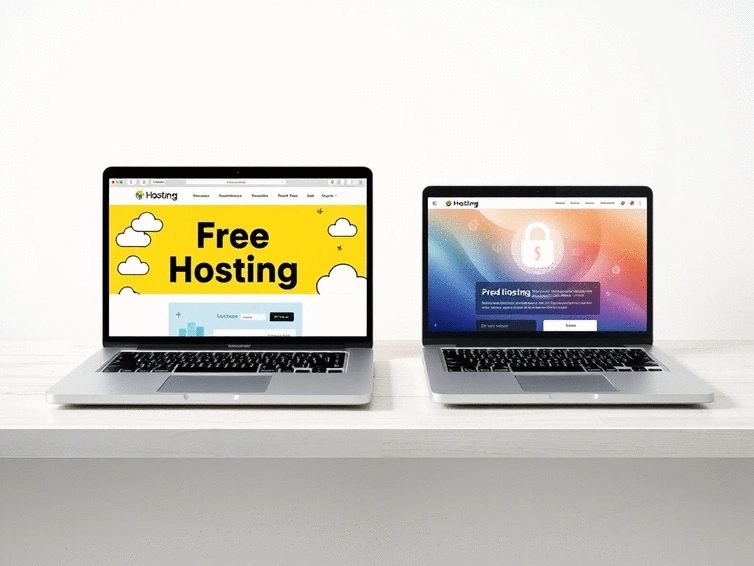
What if the choice of web hosting could define the success of your online venture? Understanding the trade-offs between free and paid hosting options can steer you towards a decision that aligns with your goals and budget.
This visual compares key aspects of free vs. paid web hosting to highlight their real costs and benefits.
Choosing the right hosting solution is essential for anyone looking to establish an online presence. At All for Domains, I often encounter the question: "Is free web hosting worth it compared to paid hosting?" Understanding the differences can help you make an informed decision that aligns with your online goals.

Free web hosting typically offers users basic website functionality without any monetary cost. However, it often comes with limitations that can impact your site's performance and credibility. In contrast, paid hosting provides a broader range of features and better support but requires an investment. Let's dive deeper into what distinguishes these two options!
Let's clarify what we mean by free and paid hosting. Free hosting services allow users to create websites without upfront costs, often at the expense of performance and support. On the other hand, paid hosting involves monthly or annual fees that provide enhanced reliability and customer service, as detailed in this Wikipedia overview of web hosting services.
When you opt for paid hosting, you invest in features that can significantly affect your site's speed and security. This investment often pays off in the long run, especially as your website grows.
Understanding why individuals seek to compare free and paid hosting is vital. Many users are motivated by the desire to save money, especially beginners or those with small projects. However, it’s important to consider the potential long-term implications of these choices, including the economic impacts and true costs of web hosting.
By weighing both options carefully, you can align your choice with your specific goals and ensure your online presence grows seamlessly. After all, the right hosting can be a game-changer for your website!
Performance is one of the most significant variables when comparing free and paid hosting options. Generally, paid hosting boasts higher uptime guarantees and faster loading times, leading to a better user experience.
Investing in a paid hosting plan means you're likely to provide a more reliable and efficient website for your visitors. After all, no one wants to wait for a slow-loading site!
While free hosting may seem like a budget-friendly option initially, there can be hidden costs that emerge later on. For example, many free hosting providers may charge for additional features or impose fees when you want to upgrade your service.
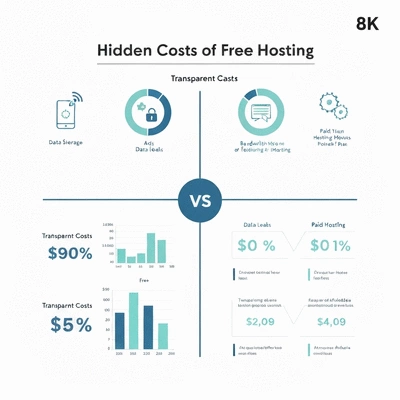
Understanding these financial implications helps you make a more informed choice. Remember, investing in quality hosting can save you money and headaches down the road!
When selecting a hosting provider, consider not only the price but also the long-term impact on your website's success. Investing in a reliable paid hosting service can enhance your site's speed, security, and scalability, ultimately saving you time and money as your online presence grows.
Free web hosting typically comes with limitations such as restricted bandwidth and storage, forced advertisements on your site, minimal or no customer support, lower uptime guarantees (often below 99%), and slower page loading times. These limitations can negatively impact your site's performance and professionalism.
Paid hosting offers enhanced performance and resources, ensuring faster page loading and better user experience. It also provides dedicated 24/7 customer support, high uptime guarantees (99.9%+), and the absence of third-party advertisements, all of which contribute to a more reliable and professional online presence.
Yes, free hosting can have hidden costs. While there are no upfront fees, providers may charge for additional features, upgrades, or exceed basic resource limits. These costs can accumulate, making it less "free" than it initially appears, especially if your site grows.
User reviews and hosting comparisons offer valuable insights into real-world experiences with different providers. They can inform you about overall customer satisfaction, the responsiveness and quality of customer support, and actual performance metrics like uptime and speed. This information helps you make a more informed decision that aligns with your specific needs.
When choosing, consider your budget, the level of technical support you require, the importance of site speed and uptime for your project, and your anticipated growth. A small, experimental project might do well with free hosting initially, but a professional venture aiming for growth will benefit significantly from paid hosting.
As we wrap up our exploration of free versus paid web hosting, it's essential to reflect on the real cost associated with each option. It's not just about the dollars and cents; it's about making informed decisions that align with your unique needs and future growth potential. Understanding the trade-offs can empower you to choose a hosting solution that fits your specific situation, whether you're launching a personal blog or an online store.
Assessing the overall value of these hosting choices means looking beyond the initial price tag. Free hosting may seem attractive initially due to its zero upfront costs, but it often comes with hidden limitations. In contrast, while paid hosting requires an investment, it usually offers superior performance, security, and support, which are crucial if you aim for growth. Moreover, insights from organizations like the Pew Research Center on internet usage highlight the importance of a reliable online presence.
Many aspiring entrepreneurs and website owners often ask, "Is paid hosting really worth the investment?" I encourage you to consider the benefits and drawbacks based on your individual circumstances and project goals. If you're serious about establishing a professional online presence, investing in paid hosting usually pays off in the long run.
On the other hand, if your project is small-scale or experimental, free hosting may suffice temporarily. Just remember that as your needs evolve, reevaluating your hosting situation will be necessary!
Now that you've weighed your options, it's time to take action! Begin by assessing your hosting needs with a simple decision matrix:
By answering these questions, you'll be able to clarify which hosting option aligns best with your goals. Remember, the right choice can pave the way for your success!
Before finalizing your decision, don't underestimate the power of user reviews and hosting comparisons! These resources can provide valuable insights into real user experiences, which often unveil aspects that are not covered in marketing materials. When evaluating hosting providers, consider:
Utilizing these reviews can help you make a more informed choice, guiding you closer to a hosting solution that truly meets your needs. In the world of web hosting, knowledge is your best ally!
Here is a quick recap of the important points discussed in the article:
Domain Management Tools You Need

Every successful online venture starts with strong domain management. Are you ready to master the fu
Understanding Web Hosting Hidden Costs

Have you ever signed up for a service only to find out that the cost skyrockets after the first year
Understanding Uptime Guarantees in Hosting

What if a mere percentage could determine the success of your online presence? Understanding uptime

Domain Management Tools You Need
Understanding Web Hosting Hidden Costs
Understanding Uptime Guarantees in Hosting
Understanding Domain Names and SEO
Competitor SEO Analysis Made Simple